
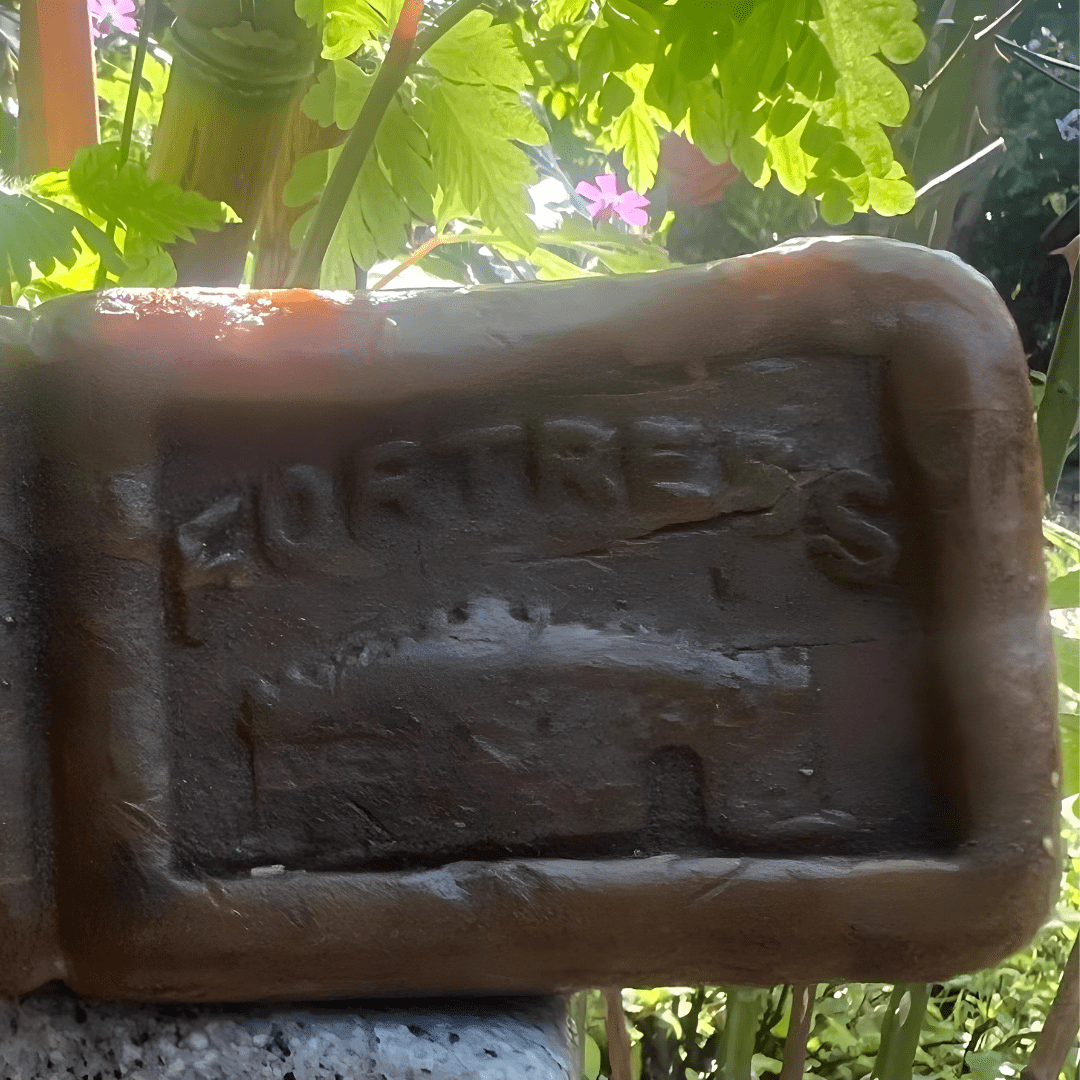
In the grand households of Victorian Britain, an army of housemaids toiled tirelessly to maintain the clean appearance and impeccable standards that defined the era. These unsung heroes of domestic service wielded an array of cleaning tools and techniques, but one item stood out as their secret weapon: carbolic soap. As the Victorian era unfolded, this humble bar of soap rose to prominence, playing a pivotal role in shaping the cleaning practices of the time.
History and Origins of Carbolic Soap
The origins of carbolic soap trace back to Joseph Lister, a British surgeon. In the 1860s, he introduced phenol (carbolic acid) as a disinfectant in medical procedures. Lister’s innovative approach to reducing post-operative infections revolutionised the field of surgery and paved the way for the development of carbolic soap.
The soap’s ability to kill a wide range of harmful germs significantly reduced the transmission of infectious diseases. Consequently, this led to a decline in the incidence of illnesses such as cholera, typhoid, and tuberculosis, which had previously ravaged Victorian communities.
The Impact of Carbolic Soap
The popularity of carbolic soap increased as more people learned about and started practicing good hygiene. It became a common item for Victorian housemaids, promoting regular cleaning and disinfection. This shift in public attitudes led to a greater emphasis on cleanliness and sanitation. The soap’s unique scent, described as a mix of medicinal and smoky notes, was believed to have a purifying effect, reinforcing the idea of cleanliness and hygiene. As Lister’s methods gained traction, the demand for carbolic soap grew, leading to its widespread production and use across Victorian Britain.
How important was this soap?
Carbolic soap’s rise to prominence during the Victorian era was no accident. It perfectly aligned with the period’s heightened focus on hygiene, sanitation, and disease prevention. Carbolic soap found its way into hospitals, public institutions, and even personal hygiene regimens, symbolising the era’s commitment to public health and eradicating infectious diseases.
No wonder it became an indispensable tool in the Victorian home. Victorian housemaids scrubbed floors, fireplaces, kitchen surfaces, bedpans—you name it, they ‘carbolic-ised’ it. Maintaining the spotless appearance and impeccable cleanliness of their employers’ homes was paramount.
You could even use carbolic soap as a pre-treatment for heavily soiled or stained items. Housemaids would place the soap on the affected areas for a period of time. This would allow the soap’s degreasing and stain-removing properties to get to work.
Where is this super soap now?
Carbolic soap was very popular during the Victorian era, but it lost its dominance in the 20th century. New cleaning products with different formulas and features became strong competitors. People also became worried about the health risks of using carbolic soap, which contains phenol. This led to a decline in its popularity as people looked for safer options.
However, Carbolic soap’s legacy reminds us of the ingenuity that has shaped the cleaning industry. Its principles continue to guide the development of modern cleaning products and practices.
So, remember, carbolic soap was the super soap that started the Victorian hygiene revolution.
Book our This Old House workshop for KS1. Explore the fascinating history of Victorian homes and how life was different in the past.