
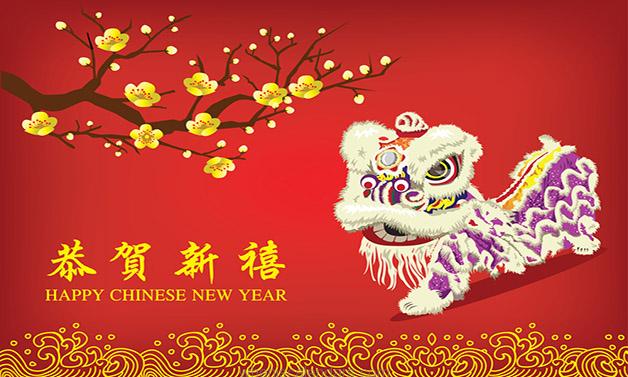
Monday 8th February is Chinese New Year, The year of the Monkey. It’s an event celebrated around the world in regions such as mainland China, Hong Kong, Taiwan, Thailand, Malaysia and Singapore, and is associated with many different festivities and traditions. Read on to find out more about the history and traditions of Chinese New Year.
The Chinese Zodiac
According to an ancient folk tale, the twelve animals of the Chinese Zodiac were all called to a meeting across the river by the Jade Emperor. The Rat reached the Emperor first, having cleverly hitched a ride on the back of the Ox. Coming in last was the Pig, who lived up to his stereotype by stopping to eat and sleep. For a fun, kid-friendly video explaining the race in more detail, click here.
The order in which the animals arrived determined their order in the Chinese Zodiac, which is why each cycle of twelve years begins with the Year of the Rat and ends with the Year of the Pig.
The Year of the Monkey
In Chinese culture, it’s believed that you grow up to develop the traits of the animal whose year you were born in. Unsurprisingly, people born in the Year of the Monkey are said to be clever, curious, mischievous and keen practical jokers. Lucky numbers for people born in this year are 1, 7 and 8 and lucky colours are white, gold and blue.
Good Luck
It’s traditional for families to celebrate with a reunion dinner the night before New Year. It’s also common to visit the temple, and to clean and sweep the house thoroughly.
At New Year, it’s also lucky to exchange “red packets” – envelopes containing money – and for family members to give each other gifts such as fruit, chocolate and biscuits. Of course, lighting red lanterns and setting off fireworks also play a big part in the festivities. Learn more about lucky New Year traditions here.
Bad Luck
For all the good luck these traditions bring, there are also many ways to bring bad luck. At New Year it’s extremely unlucky to give gifts associated with funerals, clocks, watches, scissors, knives or mirrors.
There are also several bad omens associated with the first day of the New Year. Amongst the activities forbidden are: eating porridge, taking medicine, washing laundry or your hair, using sharp objects, sweeping, and wearing black or white. Crying children are also considered to be a bad sign (which means some parental bribery with sweets and DVDs is probably in order). Find out more here.
Chinese New Year in the UK
This year as in the past, thousands of people will be flooding to London’s Chinatown for a New Year parade. Expect food stalls, dragons, lion dances and traditional music and decorations. If you are planning a trip have a good time.
Lastly, here’s how to say “Happy New Year” in Mandarin and Cantonese
Mandarin
Xin Nian Kuai Le (pronounced sheen nian kwai luh)
Cantonese
San Nin Fai Lok (pronounced san knee fy lock)
Happy practicing!
CREW